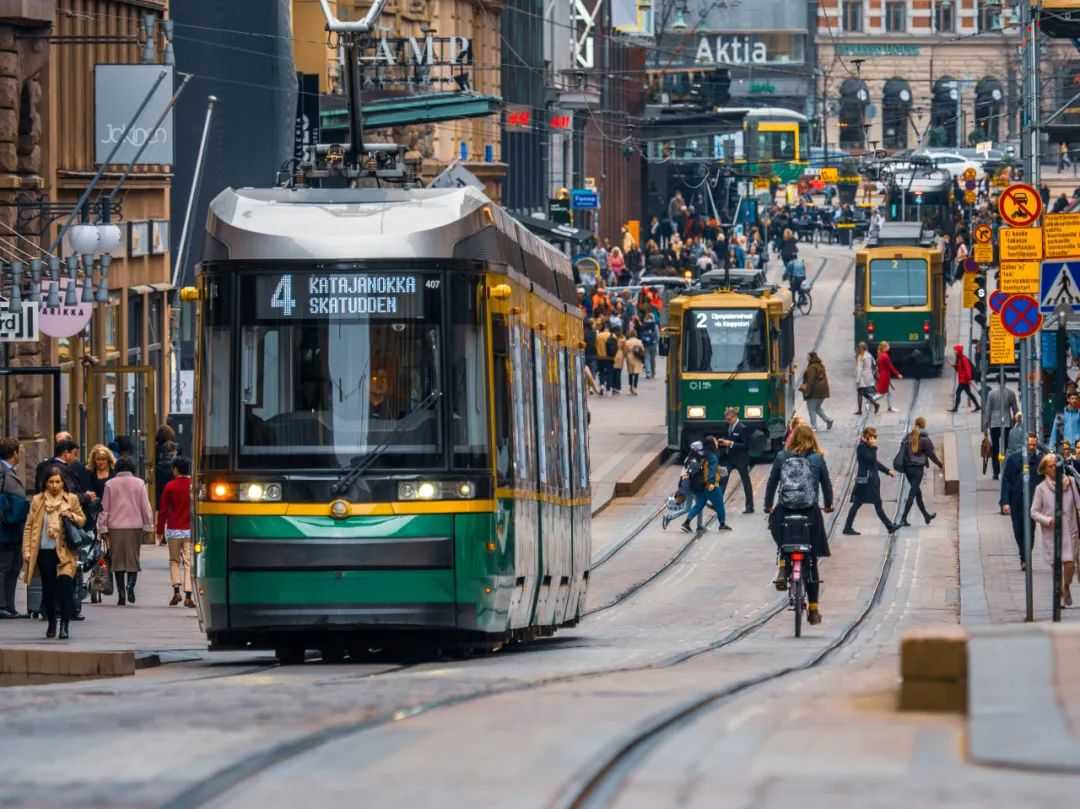
France’s High Climate Council Slams Inadequate National Climate Policies in Annual Report
France’s High Climate Council (HCC) released its annual report on July 9, warning that the country’s current climate policies fall short on both carbon emission reduction and climate adaptation fronts. The council urges France to immediately scale up climate action to counter the adverse consequences of anthropogenic global warming.
1 minute read
In Indonesia, Respecting the Sanctity of a Child’s Head
In Indonesia, a country rich in cultural traditions and deep - seated beliefs, the human head is regarded as the most sacred part of the body. This belief holds particular significance when it comes to children, whose heads are often considered a dwelling place for the divine and a symbol of personal dignity.
1 minute read

Greece’s “Men - Only” Island: A World Apart
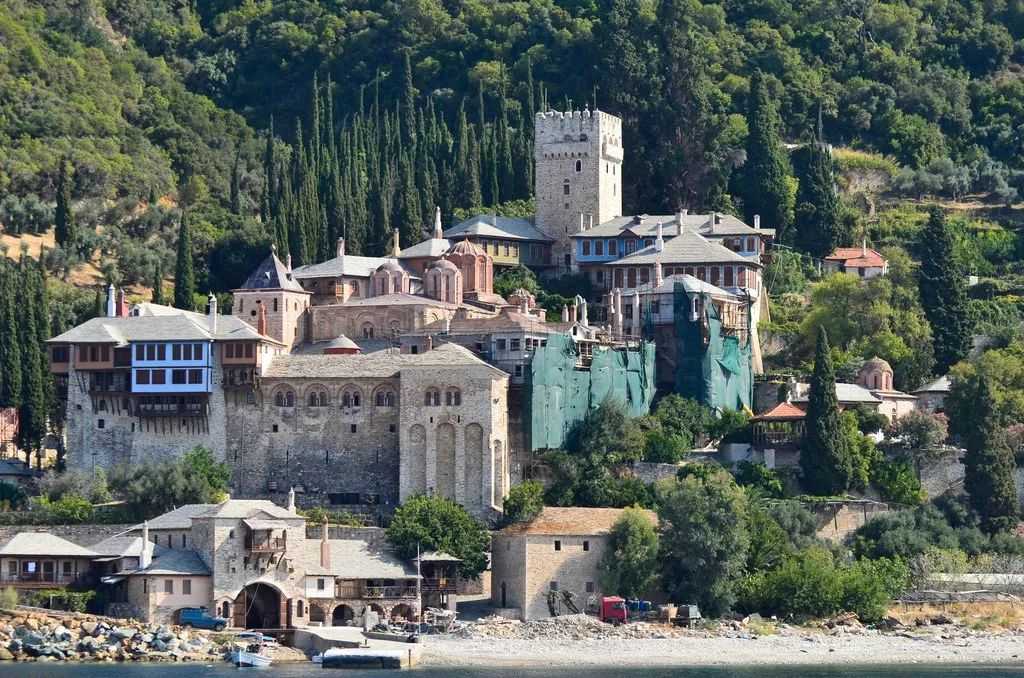
Nestled in Greece, the secluded island of Mount Athos, also known as “Agion Oros,” stands as a unique enclave with an extraordinary rule: it strictly prohibits women from setting foot on its shores. This ancient regulation has created a distinct society that has remained untouched by the presence of females for centuries.
1 minute read
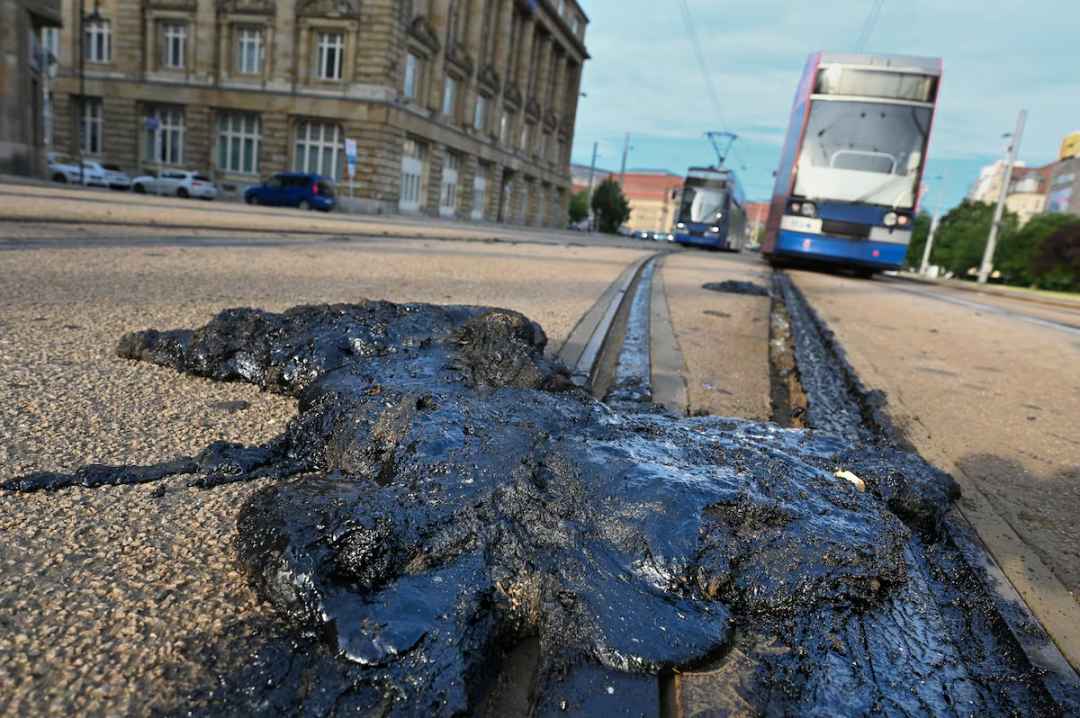
Extreme Heat Disrupts Leipzig Tram Network and Damages Germany’s Highways
Leipzig’s public transport operator stated technicians are working round the clock to remove melted residues stuck on tram tracks and vehicles. More than 50 trams have finished cleaning, while around 300 kilometres of tracks and another 60 damaged trams remain to be cleared.
1 minute read
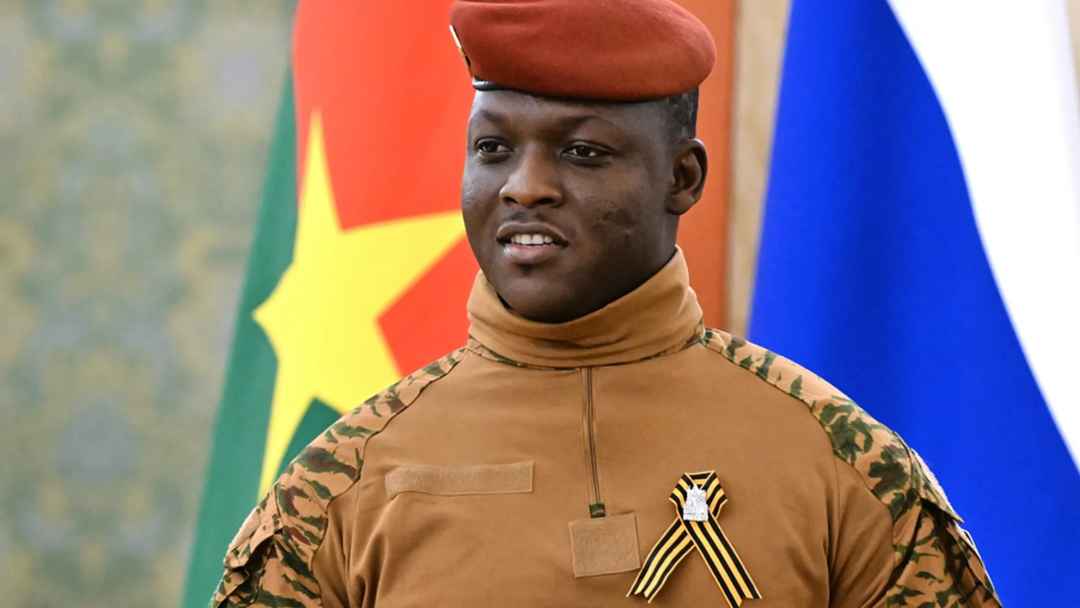
Burkina Faso’s Military Cuts Diplomatic Ties With France
Burkina Faso’s junta led by Ibrahim Traoré announced on June 26 that it would sever all diplomatic relations with France, its former colonial power, effective immediately. The administration accused France of repeatedly acting against Burkina Faso’s national interests, harbouring neocolonial ambitions, and providing backing to subversive and terrorist networks operating within the country.
1 minute read
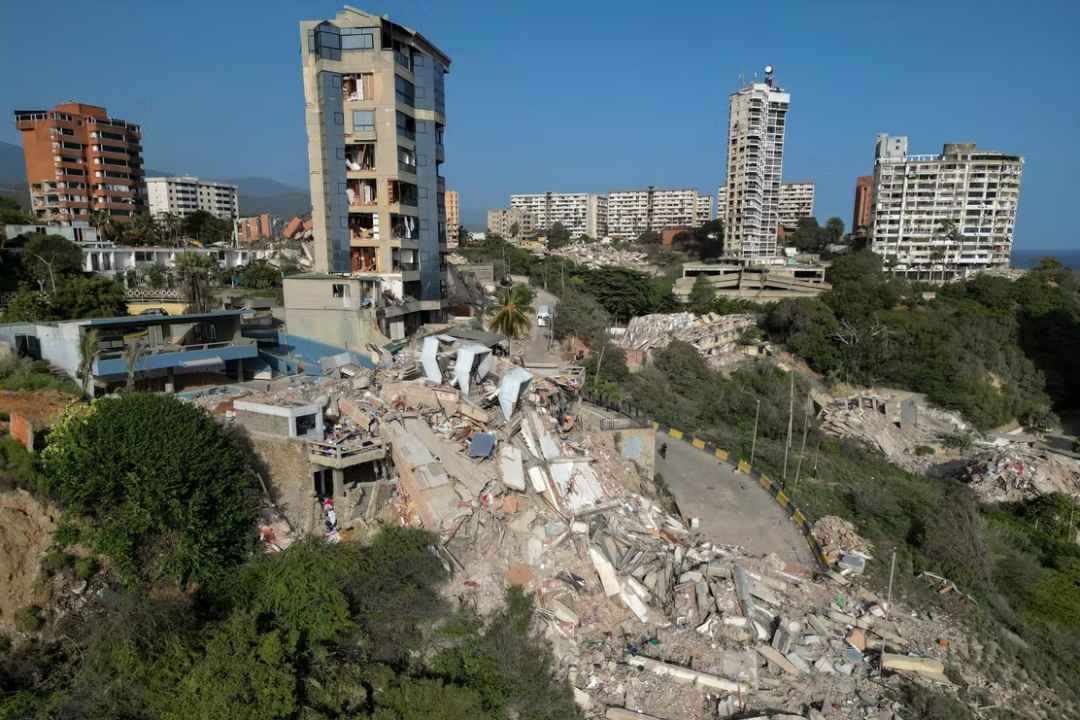
Venezuela Reopens Airport Runway for U.S. Humanitarian Military Aircraft Three Days After Twin Major Quakes
On June 27, three days after Venezuela was struck by two powerful earthquakes, one runway at Simón Bolívar International Airport in Caracas reopened to traffic and began receiving U.S. C-17 military transport planes carrying humanitarian supplies. U.S. officials stated field hospitals would arrive in successive batches, with Washington ramping up the delivery of disaster relief materials.
1 minute read
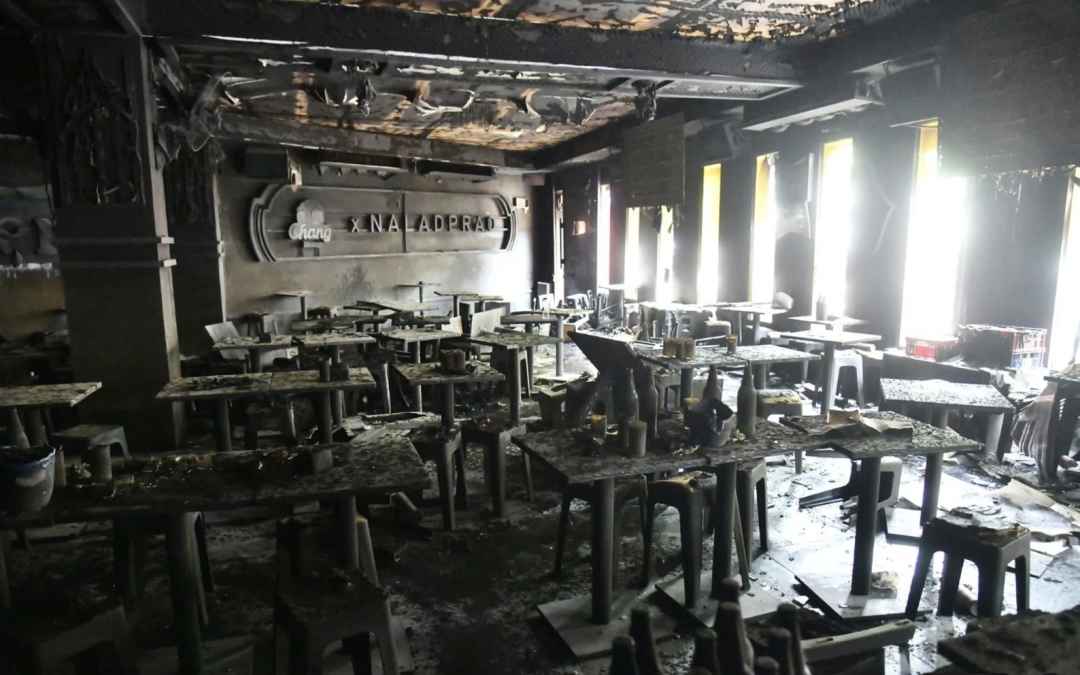
Deadly Fire at Bangkok Live Music Bar Kills at Least 12, Leaves 25 Critically Injured
A fire erupted at a live music bar in Bangkok late last Sunday, claiming at least 12 lives and leaving 25 people with severe injuries. The incident ranks as the city’s deadliest fire over the past 17 years. Local Bangkok officials said the blaze broke out shortly before midnight on Sunday, and firefighters took half an hour to bring the flames under control.
1 minute read
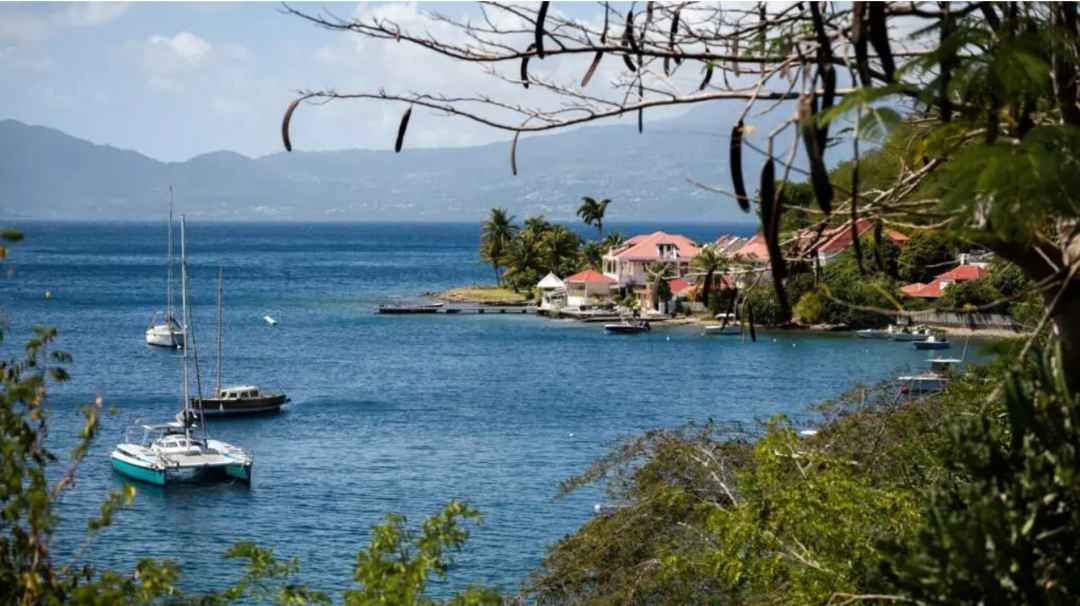
France Expands Strict Marine Protected Areas and Plastic Waste Action Plan One Year After UN Ocean Conference in Nice
One year after the United Nations Ocean Conference wrapped up in Nice, France has rolled out new initiatives to safeguard seabed ecosystems. The French government made two major announcements on Monday, June 8: the creation of additional marine protected zones and the launch of a dedicated action plan targeting marine plastic pollution.
1 minute read
USA: Times Square Ball Drop Ceremony
Every New Year's Eve, millions gather in Times Square for the iconic Ball Drop, a spellbinding spectacle that transforms the area into a pulsating hub of celebration. As the final minute before midnight ticks away, the crowd erupts in a thunderous countdown, and a massive crystal ball descends 43 meters down a mast. At the stroke of midnight, a ton of colorful confetti blankets the square, while strangers and loved ones alike share kisses to welcome the new year.
1 minute read

France: Eiffel Tower Light Shows and Champagne Toasts
Paris ushers in the new year with characteristic chic, combining iconic landmarks, culinary traditions, and superstitious rituals. As midnight approaches, the Eiffel Tower becomes the centerpiece, dazzling crowds with a spectacular light show and fireworks that paint the Parisian sky—an annual spectacle that draws millions to the Champ de Mars and televisions worldwide.
2 minute read

Denmark: Table-Jumping and Plate-Smashing Traditions
In Denmark, ringing in the new year is a literal leap into the future—quite literally. As the clock strikes midnight, Danes gather around tables and chairs, then spring off them with a cheer, symbolically "jumping into the new year." This energetic ritual is followed by fireworks lighting up the winter sky, blending playfulness with deep-rooted belief.
2 minute read

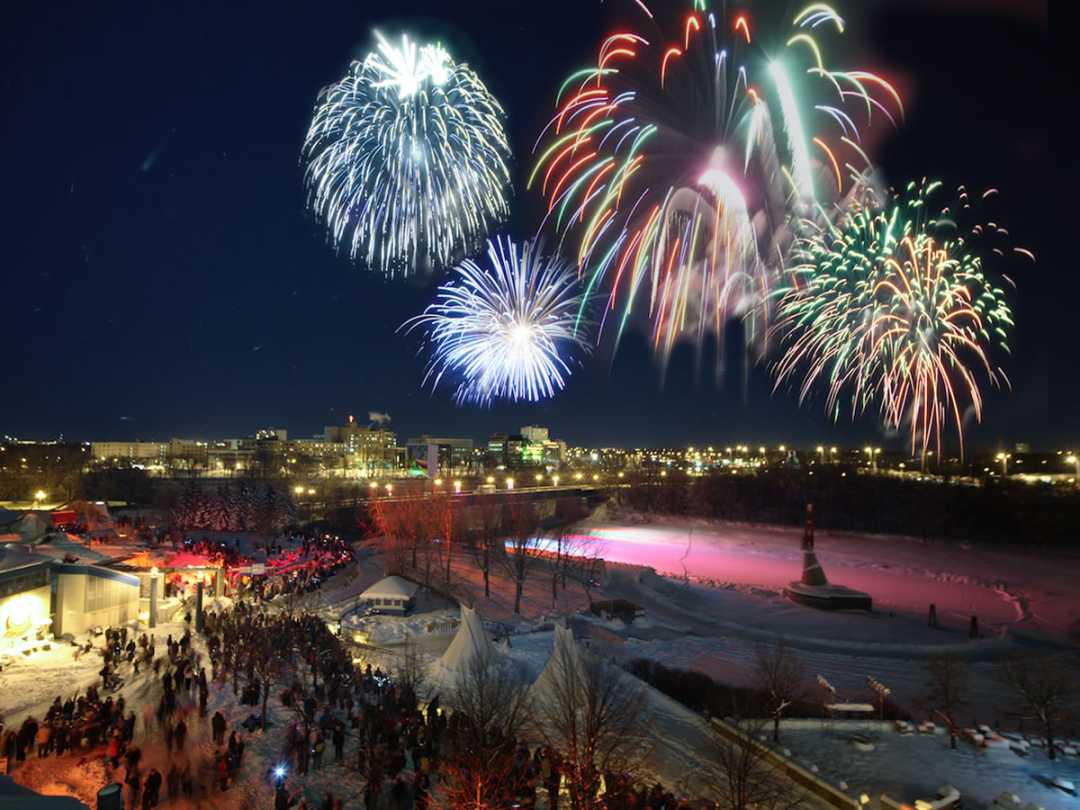
Canada: Snow Walls and Polar Bear Plunges
In Canada, where winter dominates the New Year’s landscape, snow isn’t just a backdrop—it’s a symbol of prosperity. As the new year approaches, Canadians build towering snow walls around their homes and craft elaborate snowmen, believing these icy fortifications ward off negative energies. This tradition harks back to indigenous beliefs that snow possesses cleansing properties, while the act of shaping it into barriers reflects a practical wintertime resilience.
1 minute read
Mexico: Festive Decor and Tamale Traditions
Mexican New Year celebrations blend vibrant symbolism with culinary heritage, creating a sensory experience of color, flavor, and renewal. Homes across the country transform into kaleidoscopic spaces, each hue carrying intentional meaning: red for love, yellow for career prosperity, and green for financial abundance. This decorative ritual, rooted in indigenous and Spanish traditions, turns living spaces into visual prayers for the year ahead.
2 minute read

Switzerland's Generous Parental Leave Policies Unveiled
Switzerland offers a comprehensive set of parental leave policies that aim to support new parents. According to the Swiss government's official website, expectant mothers are entitled to a maternity leave of 98 days, equivalent to 14 weeks. During this period, they receive 80% of their regular salary. This leave typically commences from the day the child is born.
1 minute read
Finland's Family Leave Policies Offer Generous Support for Parents
Finland has comprehensive family leave policies to support parents. According to the data from the Finnish Ministry of Economic Affairs and Employment, expectant mothers can enjoy a maximum of 40 working days of allowance. It usually starts 30 working days before the expected due date of the child, but no later than 14 working days before the due date.
1 minute read